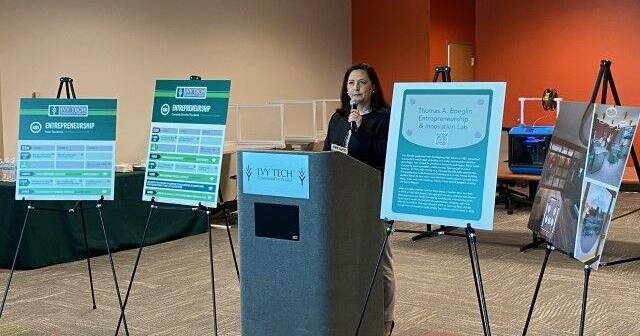
Ivy Tech Community College isn’t just a place for students—it’s a major employer in central Indiana. With thousands of Hoosiers relying on its programs, the Indianapolis campus and surrounding locations operate like a small city. That scale demands teachers, administrators, IT specialists, advisors, and facilities staff. If you’re looking for stable, mission-driven work with room to grow, Ivy Tech Indianapolis jobs offer real opportunity—if you know where and how to look.
This isn’t about scraping job boards and hoping. It’s about understanding how Ivy Tech hires, who they need, and how to position yourself as the candidate they can’t ignore.
Why Ivy Tech Indianapolis Is a Strategic Career Move
Ivy Tech isn’t a startup or a seasonal gig. It’s Indiana’s largest community college, serving over 170,000 students annually. The Indianapolis region alone includes multiple campuses, training centers, and industry partnerships. That means:
- Stability: Public funding and state backing mean less volatility than private-sector roles.
- Growth: Internal promotions are common, especially for staff who engage with professional development.
- Impact: You’re directly supporting workforce development in high-demand fields like healthcare, IT, and advanced manufacturing.
- Benefits: Competitive health plans, retirement options, and tuition assistance for employees and dependents.
Employees often stay for years—not because there’s no movement, but because there’s upward mobility. A lab technician might move into a training coordinator role. An adjunct instructor can transition to full-time faculty. Support staff become department managers.
But competition exists. Applications pour in for visible roles like instructors or HR. The key is targeting less-publicized openings and tailoring your approach.
Types of Ivy Tech Indianapolis Jobs Available
Ivy Tech runs on diverse talent. While “college job” might make you think of professors grading papers, the reality is far broader. Positions fall into several categories:
Faculty & Instructional Roles
These are the most advertised. They include:
- Full-time and adjunct instructors in fields like nursing, IT, business, and skilled trades
- Lab coordinators and clinical supervisors
- Academic department chairs
Most require at least a bachelor’s degree, with master’s or industry certifications often preferred. Adjuncts typically start part-time with flexible hours—ideal for professionals already working in the field.
Administrative & Support Staff Behind the scenes, the college needs people to keep systems running:
- Admissions and enrollment counselors
- Student success advisors
- Financial aid specialists
- IT support and network administrators
- Facilities and maintenance technicians
These roles vary in requirements. Some (like financial aid) need specific training or compliance knowledge. Others, like facilities, value hands-on experience over degrees.
Leadership & Operations Mid-to-senior level openings include:
- Department directors
- Campus operations managers
- Grant coordinators
- Training program leads for industry partnerships
These are less frequent but offer higher pay and influence. Internal candidates often have an edge.

Work-Study and Temporary Positions Ivy Tech also hires student workers and temporary staff for projects, events, and seasonal needs. These can be foot-in-the-door opportunities, especially for those already connected to the college.
Where to Find Ivy Tech Indianapolis Job Openings
You won’t find Ivy Tech jobs on Indeed or LinkedIn first. The primary source is the official careers portal.
1. Ivy Tech’s Career Site: The Only Reliable Source Go to ivytech.edu/careers. This is where all formal openings are posted. You can filter by location, department, and job type. Indianapolis-area roles will include:
- Indianapolis-Capitol
- Indianapolis–North
- Indianapolis–East
- Regional locations like Plainfield or Greenwood that serve the metro
Create a profile, upload your resume, and set up email alerts. Don’t skip the profile—applications that auto-fill tend to rank higher in their ATS (Applicant Tracking System).
2. Networking
with Current Staff
Many roles are filled before they’re widely advertised. Attend community events hosted by Ivy Tech, especially workforce development fairs or industry roundtables. Connect with department heads on LinkedIn with a concise note about your interest.
Example: > “Hi Dr. Lopez—I’m a registered nurse with 8 years in emergency care and I’m exploring adjunct teaching opportunities in the Indianapolis area. I admire Ivy Tech’s role in training frontline healthcare workers and would appreciate any guidance on upcoming openings in the nursing department.”
This isn’t begging for a job. It’s showing initiative and domain knowledge.
3. Partner Organization Channels Ivy Tech collaborates with employers like Eskenazi Health, Eli Lilly, and Cummins. These companies often co-fund training programs and may know about faculty or coordinator roles before they’re public. If you’re already working with a partner organization, ask your contact about education-side opportunities.
How to Apply and Stand Out
Applying is not just about submitting a resume. Ivy Tech uses a structured review process. Your materials must pass both automated filters and human evaluation.
Tailor Your Resume to the Job Description Generic resumes get rejected. For example, if you’re applying for a Student Advisor role, highlight:
- Experience with CRM systems (like Salesforce or CampusNexus)
- Success in retention or completion metrics
- Knowledge of FAFSA, Pell Grants, or first-generation student challenges
Use keywords from the job post. If it says “navigating academic probation,” include that phrase in your experience section.
Write a Purpose-Driven Cover Letter Don’t rehash your resume. Instead, explain:
- Why you care about workforce education
- How your background aligns with Ivy Tech’s mission
- A specific example of helping someone succeed (e.g., “I guided a single parent through degree completion while they worked nights”)
Admissions counselors, for instance, aren’t just processing forms—they’re removing barriers. Show you get that.
Prepare for the Interview Style Ivy Tech interviews are practical. Expect:
- Scenario questions: “How would you handle a student who missed three weeks of class?”
- Behavioral questions: “Tell me about a time you dealt with a frustrated client.”
- Teaching demos for faculty roles: You might present a 10-minute lesson on a basic concept.
Research the program you’re joining. If you’re interviewing for a cybersecurity instructor role, know what certifications the program offers (e.g., CompTIA Security+) and how it feeds into local jobs.
Common Mistakes That Get Applications Rejected
Even strong candidates get cut early. Avoid these pitfalls:
1. Applying Without Required Credentials
Many roles list “preferred” and “required” qualifications. Adjunct teaching in healthcare often requires active licensure. IT roles may require CompTIA or Cisco certs. If you’re missing a required item, your application won’t advance.
2. Ignoring the Application System Some applicants try to email HR directly or submit PDFs outside the portal. This doesn’t work. The system tracks every step. If your materials aren’t uploaded correctly, you’re invisible.
3. Vague or Overconfident Statements Phrases like “I’m passionate about education” or “I’m a natural leader” don’t help. Replace them with proof: “I increased course completion rates by 22% through weekly check-ins.”
4. Missing Local Context Ivy Tech Indianapolis serves a diverse, urban population. Show awareness of challenges like transportation, childcare, or digital access. If you’ve worked with non-traditional students, say so.
Realistic Career Paths at Ivy Tech Indianapolis Let’s look at two real-world examples:
Example 1: From Adjunct to Full-Time Faculty Maria taught part-time in the Business department while working in marketing. She:
- Took Ivy Tech’s internal training for online instructors
- Volunteered to help redesign a course curriculum
- Applied when a full-time position opened
- Was hired due to her institutional knowledge and student feedback
Time from first adjunct class to full-time role: 2.5 years.
Example 2: Staff Promotion into Management Jamal started as a facilities technician at the North campus. He:
- Earned his OSHA certification through Ivy Tech’s tuition program
- Led a campus energy efficiency pilot
- Was promoted to facilities coordinator after a supervisor retired
His hands-on experience and initiative made him the obvious internal choice.
These aren’t exceptions. They reflect how Ivy Tech rewards engagement and commitment.
Tips for Long-Term Success
Once you’re in, keep moving:
- Use tuition benefits: Enroll in a related degree or certificate—free or low-cost.
- Join employee resource groups: They offer mentorship and visibility.
- Attend professional development: Ivy Tech regularly hosts training on teaching methods, DEI, and tech updates.
- Seek cross-campus projects: Working on a system-wide initiative builds relationships beyond your department.
Stay visible, stay relevant.
Final Steps: How to Start Today
- Go to ivytech.edu/careers and create a profile.
- Filter for Indianapolis locations and save 2–3 target roles.
- Tailor your resume using keywords from one job description.
- Write a focused cover letter that ties your experience to student success.
- Apply—and follow up in 7–10 days with a polite email to the hiring manager if possible.
Don’t wait for the “perfect” opening. The first application teaches you what Ivy Tech values. Use that to refine your next one.
These jobs aren’t just paychecks. They’re roles in a system that lifts up central Indiana. The best candidates don’t just want a job—they want to be part of that mission.
Frequently Asked Questions
What qualifications do I need for Ivy Tech Indianapolis jobs? It depends on the role. Faculty typically need a master’s in the field. Staff roles vary—some require certifications, others value experience. Always check the “Required” section in the job posting.
Are Ivy Tech jobs only for educators? No. Ivy Tech hires in IT, facilities, HR, finance, marketing, and student services. Many roles don’t involve teaching at all.
How long does the hiring process take? Typically 3–6 weeks from application to offer. Faculty roles may take longer due to committee reviews.
Can I work remotely for Ivy Tech? Some administrative and IT roles offer hybrid or remote options, but most positions—especially instructional or campus-based—are on-site.
Is prior community college experience required? Not usually. What matters more is understanding non-traditional students and a commitment to access and equity.
Does Ivy Tech hire part-time or temporary workers? Yes. Adjunct faculty, work-study students, and project-based roles are often part-time. These can lead to full-time positions.
Do employees get tuition benefits? Yes. Full-time and part-time staff receive tuition waivers for Ivy Tech courses, plus discounts for dependents.
FAQ
What should you look for in Ivy Tech Indianapolis Jobs: How to Find Career Opportunities? Focus on relevance, practical value, and how well the solution matches real user intent.
Is Ivy Tech Indianapolis Jobs: How to Find Career Opportunities suitable for beginners? That depends on the workflow, but a clear step-by-step approach usually makes it easier to start.
How do you compare options around Ivy Tech Indianapolis Jobs: How to Find Career Opportunities? Compare features, trust signals, limitations, pricing, and ease of implementation.
What mistakes should you avoid? Avoid generic choices, weak validation, and decisions based only on marketing claims.
What is the next best step? Shortlist the most relevant options, validate them quickly, and refine from real-world results.