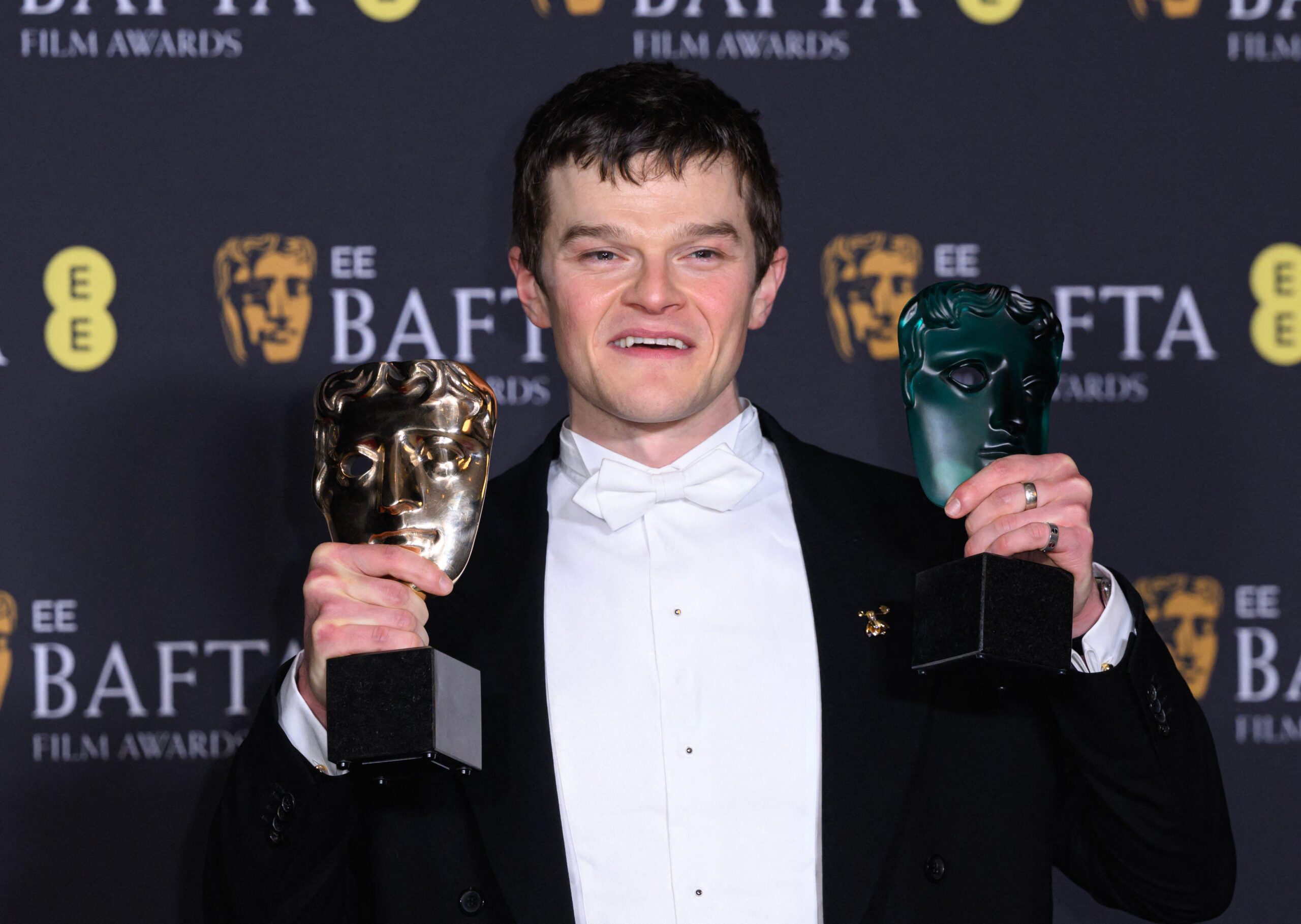
The British Academy Television Craft Awards have long served as the unsung engine room of TV accolades — honoring the artisans behind the camera whose work shapes storytelling before it ever reaches viewers. In 2026, the ceremony proved that prestige isn’t just about on-screen charisma; it’s about precision in sound, vision, narrative structure, and emotional authenticity. And no show embodied this better than Adolescence, the Netflix drama that’s become a cultural touchstone, extending its winning run with two major craft awards. Not far behind, Celebrity Traitors carved its own path, claiming gongs that spotlight the importance of technical innovation in unscripted television.
This year’s BAFTA Craft Awards didn’t just celebrate popularity — they validated craftsmanship. While buzz often centers on acting or screenwriting at major ceremonies, the Craft Awards underline how vital editing, sound design, and production artistry are in building immersive worlds. Adolescence, a show rooted in raw emotional realism, leveraged these elements to devastating effect. Its dual wins were not lucky breaks; they were acknowledgments of meticulous execution.
Why Adolescence Won — And Why It Matters
Adolescence took home the BAFTA for Best Editing: Fiction and Best Sound: Fiction, two categories where subtlety often outshines spectacle. These aren’t flashy awards, but they speak volumes about the show’s narrative sophistication.
The editing win reflects the series’ masterful use of non-linear storytelling. Flashbacks aren’t just deployed for dramatic effect — they’re woven into the characters’ psychological states. In Episode 7, “The Echo Test,” the protagonist’s dissociation during a panic attack is mirrored through fragmented cuts, jump frames, and deliberate audio dropouts. Editor Rosa Kemal didn’t just cut scenes; she mapped trauma onto time. Her approach avoided predictable rhythms, instead using pacing to simulate cognitive dissonance. It’s a technique that could easily feel manipulative, but here, it’s restrained and clinically precise.
Sound design played an equal role. The award in this category wasn’t for explosive action or ambient noise — it was for silence. Series sound designer Marko Vasic built a sonic language around absence. In key moments, such as the protagonist’s confrontation with their estranged parent, dialogue fades while the hum of a refrigerator becomes deafening. This amplification of mundane sounds creates psychological tension, turning domestic spaces into emotional battlegrounds.
“We didn’t want the sound to tell people how to feel,” Vasic said in a post-ceremony interview. “We wanted it to be the feeling.”
These wins reinforce a broader trend: awards bodies are rewarding shows that use technical craft to deepen storytelling, not distract from it. Adolescence didn’t need CGI or orchestral swells — it used silence, rhythm, and spatial audio to make the audience inhabit the characters’ inner lives.
The Craft Secrets Behind Adolescence’s Realism

What separates Adolescence from other teen dramas isn’t just its writing — it’s the accumulation of micro-decisions across departments.
1. Location Scouting as Character Development The show’s primary setting — a semi-detached house in North London — was chosen not for aesthetic appeal, but for emotional authenticity. Production designer Lila Chen sourced a home with outdated wallpaper, mismatched furniture, and poor lighting. “We wanted every room to feel lived-in to the point of suffocation,” she explained. The clutter wasn’t set dressing; it was narrative.
2. Lighting for Emotional Exposure Cinematographer Theo Malik avoided soft filters or flattering angles. Instead, he used overhead fluorescents and phone screens to create unflattering, clinical lighting — especially in scenes involving parental authority. This choice stripped away glamour, forcing viewers to sit with discomfort.
3. Sound Layering for Subtext The sound team embedded subtle audio cues to signal shifts in power dynamics. When the protagonist feels controlled, low-frequency drones are introduced beneath dialogue. These aren’t noticeable on first watch — but they trigger unease, priming the audience before conflict erupts.
These elements didn’t win awards on their own — but together, they created a unified sensory experience that the BAFTA judges couldn’t ignore.
Celebrity Traitors: How a Reality Show Mastered Technical Craft
While Adolescence dominated the fiction categories, Celebrity Traitors — the high-stakes reality competition — proved that unscripted television can be a breeding ground for innovation. The show picked up two awards: Best Multi-Camera Editing: Reality & Non-Factual and Best Production Management.
On the surface, a reality show might seem like a technical afterthought. But Celebrity Traitors operates on a complex logistical framework. Filmed across multiple safe houses, hidden tunnels, and surveillance zones, the production required real-time coordination between 47 cameras, 62 audio feeds, and a live editing team that cut rough assemblies during filming.
The multi-camera editing award was earned through narrative precision. With 14 celebrities vying for a £1 million prize — and three secretly designated as “traitors” — the editors had to balance suspense, character development, and misdirection. Each episode is structured like a thriller, with cliffhangers timed to viewer drop-off points. The team used A/B editing lanes to test pacing, ensuring emotional peaks landed within the first 18 minutes — a strategy borrowed from streaming analytics.
Production management was equally impressive. The show’s cast lived in isolation for 21 days, with strict communication protocols. The production team managed medical checks, mental health support, and equipment rotation without breaking the illusion of autonomy. One crew member described it as “running a covert operation with public liability insurance.”
“People think reality TV is just pointing cameras and hoping,” said producer Janine Lowe. “But we’re building a narrative machine in real time. One missed cue, and the whole game collapses.”

Their wins underscore a shift: craft excellence isn’t genre-bound. Even in reality television, technical mastery can define success.
The Bigger Picture: What
These Wins Say About TV in 2026
The 2026 BAFTA Craft Awards reflect evolving priorities in television.
First, authenticity is now a technical standard, not just a theme. Whether in drama or reality, audiences demand realism — and that realism must be engineered. From the texture of a wall in Adolescence to the timing of a betrayal reveal in Celebrity Traitors, craft teams are expected to build believability at a granular level.
Second, data and instinct are converging. The Celebrity Traitors editing team used viewer retention metrics to shape episode structure, while Adolescence’s sound team relied on psychological research to inform audio design. Today’s best craft work sits at the intersection of art and analytics.
Third, support roles are gaining recognition. For years, editors, sound designers, and production managers labored in the shadows. Now, they’re being celebrated as co-authors of storytelling. This shift isn’t just symbolic — it’s changing hiring practices, with showrunners now bringing craft leads on board during pre-production, not post.
What Other Shows Missed — And Why
Not every contender matched the technical rigor of the winners. Several high-profile dramas were nominated but fell short — and their shortcomings reveal common pitfalls.
- Kingdom’s End (nominated for sound) relied too heavily on music to drive emotion, undermining its diegetic audio.
- The Next Chapter (editing nominee) used transitions that felt gimmicky — spinning wipes, time reversals — distracting from character arcs.
- Island Protocol (production management nominee) had logistical gaps, including visible crew reflections and inconsistent time stamps.
These missteps highlight a recurring issue: prioritizing style over function. Craft awards aren’t won by doing something flashy — they’re won by doing something necessary.
The Legacy of
These Wins
Adolescence now stands as one of the most awarded British dramas of the decade, with seven BAFTA nods across craft and main ceremonies — and five wins. Its success isn’t just a Netflix victory; it’s a validation of intimate, character-driven storytelling supported by invisible but indispensable craft.
Meanwhile, Celebrity Traitors has redefined what’s possible in reality TV. No longer seen as formulaic, it’s now studied in production courses for its narrative control and operational precision.
The message from the 2026 BAFTA Craft Awards is clear: greatness in television isn’t just performed — it’s constructed. Frame by frame, sound by sound, decision by logistical decision.
For creators, the takeaway is straightforward: invest in your craft team early. Bring editors into pre-production. Hire sound designers who understand psychology. Treat production managers as creative partners. The audience may not see their names in the opening credits — but the BAFTAs certainly do.
FAQ
Did Adolescence win any other BAFTA awards outside the craft categories? Yes — it was nominated for Best Drama Series and Leading Actor at the main BAFTA Television Awards, though it didn’t win in those categories.
How many nominations did Celebrity Traitors receive at the Craft Awards? It received four nominations and won two: Best Multi-Camera Editing and Best Production Management.
Is Adolescence based on a true story? While fictional, the show’s writers consulted clinical psychologists and drew from real case studies of adolescent trauma.
What makes the BAFTA Craft Awards different from the main BAFTA TV Awards? The Craft Awards focus exclusively on technical and behind-the-scenes roles like editing, sound, costume, and production.
Where can I watch the 2026 BAFTA Craft Awards ceremony? Highlights are available on the BAFTA website and YouTube channel, though the full ceremony isn’t publicly streamed.
Did any other Netflix shows win at the 2026 Craft Awards? No — Adolescence was the only Netflix title to win, though The Last Archivist received a nomination in costume design.
Are these awards voted on by industry professionals? Yes — winners are selected by juries of experts in each craft discipline, appointed by BAFTA.
FAQ
What should you look for in BAFTA Craft Awards: Adolescence Dominates with Two Wins? Focus on relevance, practical value, and how well the solution matches real user intent.
Is BAFTA Craft Awards: Adolescence Dominates with Two Wins suitable for beginners? That depends on the workflow, but a clear step-by-step approach usually makes it easier to start.
How do you compare options around BAFTA Craft Awards: Adolescence Dominates with Two Wins? Compare features, trust signals, limitations, pricing, and ease of implementation.
What mistakes should you avoid? Avoid generic choices, weak validation, and decisions based only on marketing claims.
What is the next best step? Shortlist the most relevant options, validate them quickly, and refine from real-world results.