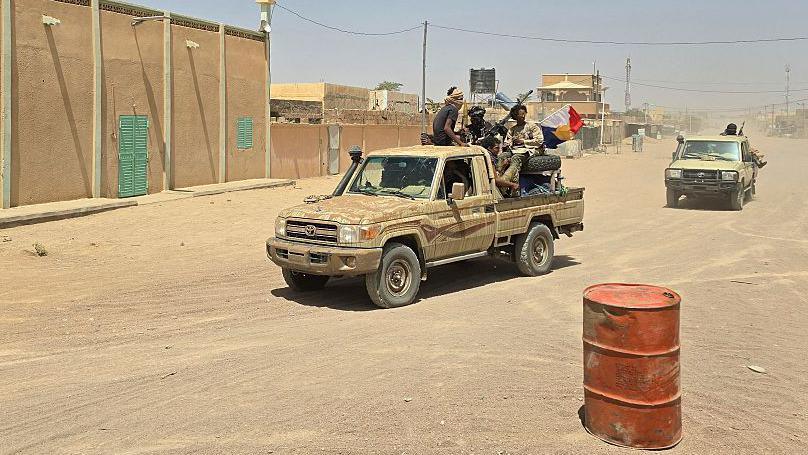
Mali is unraveling—again. Just as the country grapples with a surge of jihadist attacks across its northern and central regions, Russia’s Africa Corps has confirmed its withdrawal from Kidal, a strategic stronghold once seen as a foothold for Moscow’s growing influence in the Sahel. The pullout, quietly confirmed by defense officials linked to the unit, marks a pivotal shift. It’s not just a tactical retreat—it’s a signal that even private military actors with state backing are recalibrating amid deteriorating security and escalating backlash.
For years, Kidal sat at the nexus of rebellion, counterinsurgency, and great power competition. Home to Tuareg communities and a history of separatist uprisings, the region has been a flashpoint since Mali’s 2012 crisis. Now, with Russian-linked forces exiting and attacks intensifying, the vacuum threatens to deepen chaos rather than stabilize it.
Why Kidal Matters in Mali’s Security Equation
Kidal isn’t just another town in the desert. It’s a symbolic and strategic linchpin. Located in northeastern Mali, bordering Niger and Algeria, it controls key transit routes for weapons, migrants, and militant networks. Its isolation—accessible only by air or long, perilous convoys—makes it a difficult prize to hold, but an even costlier one to lose.
Historically, Kidal has resisted central Malian authority. The 2015 Algiers Accords attempted to integrate rebel groups into governance, but progress stalled. When French forces withdrew in 2022, and the Malian junta turned to Russian paramilitaries, Kidal became a base for what was branded a “new era” of sovereignty.
But that era is ending. Russia’s Africa Corps, widely believed to be a formalized wing of Wagner Group remnants, established a presence in Kidal to support Malian troops in anti-jihadist operations. Yet recent intelligence reports and military sources indicate that their footprint has shrunk dramatically since early 2024.
The reason? A spike in attacks—and mounting operational strain.
Mali Attacks Surge as Russian Forces Pull Back
In the past six months, Mali has recorded over 80 significant militant incidents, a 40% increase compared to the same period last year. The Coordination of Azawad Movements (CMA), jihadist coalitions like Jama’at Nusrat al-Islam wal-Muslimin (JNIM), and Islamic State in the Greater Sahara (ISGS) have all intensified operations.
Kidal itself saw three major assaults in just April and May: - A suicide bombing targeting a Malian army checkpoint - An ambush on a supply convoy near the Algerian border - A coordinated raid on a regional garrison, killing at least 17 soldiers
These attacks didn’t just exploit weak defenses—they were likely enabled by the drawdown of foreign support. Russian forces had provided reconnaissance, artillery support, and close protection for high-value assets. Their departure left Malian units exposed.
Local analysts note a troubling pattern: attacks are now more coordinated, better armed, and increasingly target infrastructure. Fuel depots, communication hubs, and road junctions are being hit with precision—suggesting improved intelligence networks among insurgent groups.
“The Russians weren’t winning the war, but they were a deterrent,” said a Sahel-based security consultant who requested anonymity. “Remove that deterrent, and the militants adapt fast. That’s exactly what’s happening.”
What Russia’s Withdrawal Reveals About Its African Strategy
Russia’s Africa Corps didn’t leave Mali because it failed. It left because its mission evolved—and its risks outweighed its gains.
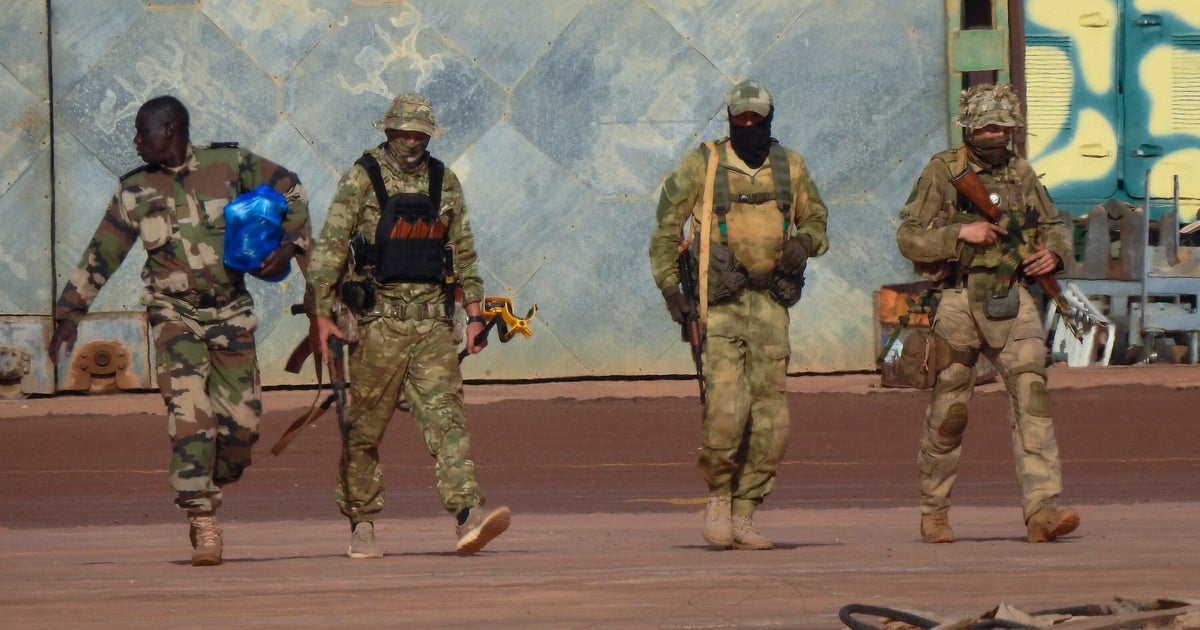
While officially denied by Moscow, multiple defense sources confirm that the withdrawal from Kidal is part of a broader consolidation. Units are being shifted westward toward Gao and Mopti, where population centers and supply lines offer better leverage. This isn’t a retreat from Mali—it’s a strategic repositioning.
Three factors drove this shift:
- Operational losses: Russian forces have suffered casualties in ambushes and drone attacks. Unlike state military deployments, private corps prioritize survivability over symbolic presence.
- Political friction: Kidal’s local leaders have long opposed foreign military occupation. Protests, sabotage, and resistance from Tuareg factions made long-term control unsustainable.
- Strategic reassessment: With instability spreading into coastal West Africa, Russia may be redirecting focus to countries with richer mineral resources and more pliable regimes—like Burkina Faso and potentially Niger.
This recalibration underscores a key truth: Russia’s involvement in Africa isn’t about altruism or anti-terrorism. It’s about influence, access, and leverage. Where those are eroding, so is their commitment.
How the Power Vacuum Fuels Regional Instability
The fallout from Kidal’s security collapse extends far beyond Mali’s borders. The Sahel is a region on the brink, and domino effects are already visible.
Neighboring States on High Alert
- Niger: With its own Russian-backed junta now in power, Niger fears spillover from Mali-based ISGS cells. Border patrols have tripled in the Tahoua region.
- Algeria: Long a stabilizing force, Algeria has issued warnings about cross-border raids and is reinforcing its southern military zones.
- Burkina Faso: Already under siege from jihadist groups, Ouagadougou is now seeing fighters migrate from Mali’s northern corridors.
ECOWAS has convened emergency sessions, but military coordination remains fragmented. The absence of a unified regional response creates openings for militants to exploit.
Humanitarian Toll Escalates
Over 200,000 people have been displaced in northern Mali since the start of the year. Kidal’s hospitals are overwhelmed. Schools are closed. Aid convoys are routinely attacked. The UN has classified the situation as a Level 3 emergency—the highest possible.
Local NGOs report that communities once neutral are now forced to align with armed factions for survival. This entrenches cycles of violence and makes future peacebuilding nearly impossible.
Tactical Consequences for Counterinsurgency in the Sahel
The withdrawal from Kidal exposes a deeper flaw in modern counterinsurgency: reliance on foreign forces with limited long-term investment.
Malian troops, while improving, still lack the training, intelligence, and mobility to hold large territories independently. Russian units filled that gap—but only temporarily.
Now, the Malian military faces a grim choice: - Retrench and defend core cities (Gao, Timbuktu, Mopti) - Risk overextension by trying to reclaim northern zones - Seek new allies—potentially deepening ties with other non-Western powers
Each option carries risks. A defensive posture cedes ground to militants. A push north could lead to costly defeats. And further militarization with foreign partners may deepen isolation from Western donors and humanitarian agencies.
One thing is clear: short-term military fixes won’t end the violence. Without political reconciliation, economic investment, and community engagement, no force—foreign or local—can secure lasting peace.
What Comes Next for Mali and the Sahel?
The next 12 months will be decisive. Several scenarios are unfolding in parallel:

- Increased jihadist consolidation: With reduced pressure in the north, groups like JNIM and ISGS may merge operations or launch high-profile attacks to assert dominance.
- Regional military collaboration: Countries like Chad and Senegal are discussing joint task forces, but funding and trust remain barriers.
- Diplomatic overtures: Algeria and Morocco are positioning themselves as mediators, though their own regional rivalries complicate efforts.
- Resource warfare intensifies: Kidal sits near uranium and gold deposits. Armed groups and foreign actors alike have economic incentives to control the area.
Meanwhile, civilians pay the price. Daily life in northern Mali now includes checkpoint delays, arbitrary detentions, and the constant threat of violence.
The Limits of Foreign Military Intervention
The Kidal withdrawal should serve as a case study in the limits of foreign paramilitary involvement. Russia’s Africa Corps achieved short-term tactical gains—disrupting supply lines, conducting raids, and projecting power. But it failed to build sustainable security.
- Its exit highlights three enduring truths:
- Local legitimacy matters more than firepower. No foreign force can govern or stabilize a region without local buy-in.
- Mercenary models are fragile. When costs rise or politics shift, these units can vanish overnight.
- Security without development is temporary. Without jobs, schools, and justice, militancy will always find recruits.
Mali’s junta may claim victory in “reclaiming sovereignty,” but sovereignty without security is an empty promise.
A Path Forward: Security, Politics, and Regional Unity
There are no easy answers, but actionable steps exist:
- Revive inclusive peace talks involving the CMA, community leaders, and regional mediators.
- Invest in Malian military logistics and intelligence to reduce dependency on foreign forces.
- Strengthen cross-border coordination with Niger, Burkina Faso, and Algeria to disrupt militant movements.
- Restore humanitarian access to northern regions, breaking the cycle of despair that fuels extremism.
Donors and international partners must balance pressure with support. Sanctions and isolation only push Mali further into the arms of opportunistic powers.
Closing: The End of an Era, Not the End of the Crisis
Russia’s Africa Corps leaving Kidal isn’t the end of foreign involvement in Mali—it’s a pivot point. The surge in attacks proves that absence creates opportunity. For militants, it’s a moment to expand. For regional powers, it’s a wake-up call.
The path to stability won’t run through foreign battalions or quick military wins. It runs through politics, inclusion, and long-term investment in people—not just power.
Mali’s crisis won’t be solved from the outside. But the world can’t afford to look away.
FAQ
Why did Russia’s Africa Corps withdraw from Kidal? Due to escalating attacks, political resistance from local groups, and a strategic shift to consolidate forces in more populated and logistically viable regions like Gao and Mopti.
Are Russian mercenaries still active in Mali? Yes, but their presence has shifted southward. They remain involved in training, logistics, and direct operations in central and western Mali.
Who is attacking Malian forces in Kidal? Primary threats come from jihadist coalitions like JNIM (linked to al-Qaeda) and ISGS (Islamic State affiliate), as well as remnants of separatist factions within the CMA.
How has the withdrawal affected regional security? It has created a power vacuum that militant groups are exploiting, increasing cross-border threats to Niger, Algeria, and Burkina Faso.
Is Mali’s military capable of holding Kidal without foreign support? Currently, no. The Malian army lacks the intelligence, mobility, and local trust needed to maintain control in remote, hostile environments.
Could France or other Western forces return to northern Mali? Unlikely in the short term. The Malian junta has rejected Western military presence, and public opinion in France remains opposed to re-engagement.
What’s the humanitarian impact of the conflict in Kidal? Severe. Over 200,000 displaced, aid access restricted, and basic services collapsed. The UN warns of worsening food insecurity and health crises.
FAQ
What should you look for in Russia’s Africa Corps Leaves Kidal Amid Rising Mali Attacks? Focus on relevance, practical value, and how well the solution matches real user intent.
Is Russia’s Africa Corps Leaves Kidal Amid Rising Mali Attacks suitable for beginners? That depends on the workflow, but a clear step-by-step approach usually makes it easier to start.
How do you compare options around Russia’s Africa Corps Leaves Kidal Amid Rising Mali Attacks? Compare features, trust signals, limitations, pricing, and ease of implementation.
What mistakes should you avoid? Avoid generic choices, weak validation, and decisions based only on marketing claims.
What is the next best step? Shortlist the most relevant options, validate them quickly, and refine from real-world results.